
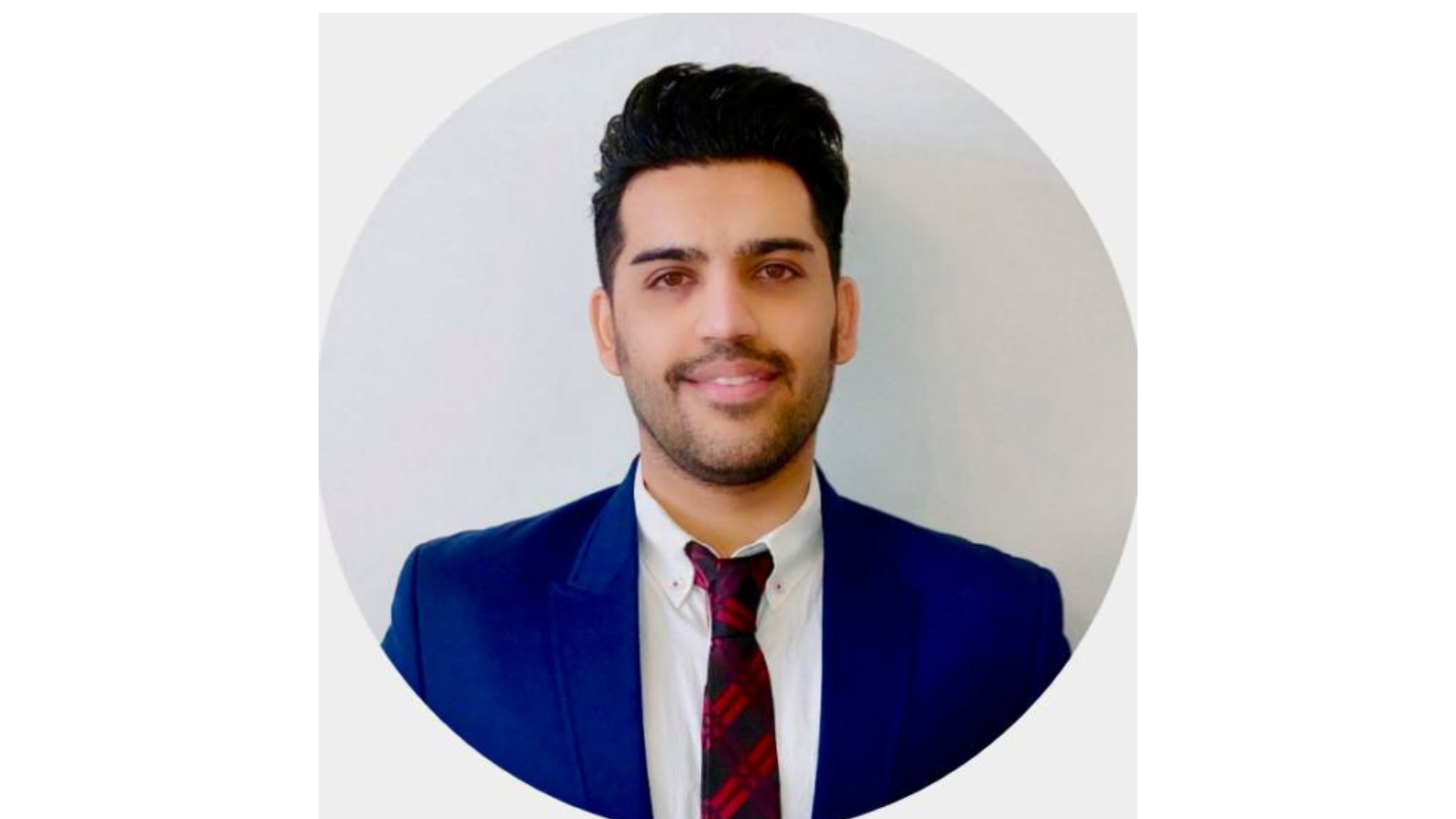
Amir Forouhar (he/him) is a Postdoctoral Fellow at the University of Toronto’s School of Cities, where he feels privileged to contribute to the field of urban planning, transportation, and urban data science. Holding a Ph.D. in Urban Planning, his doctoral research explored the intersections of transit-oriented development (TOD), socioeconomic equity, and urban development, with a focus on how transit systems shape neighborhood dynamics.
Under the supervision of Dr. Karen Chapple, Amir has had the opportunity to contribute to impactful projects such as the Downtown Recovery Project (School of Cities), Transit-Oriented Development on Main Streets (Canadian Urban Institute), and Urban Doom Loop (Lincoln Institute of Land Policy). Using innovative datasets—like cellphone mobility data, the Longitudinal Administrative Databank (LAD), and real estate market trends— combined with advanced geospatial and statistical tools, he has worked to uncover critical insights into post-COVID population dynamics, mobility patterns, and socioeconomic trends in North American cities. His recent publications—“Transit-Driven Resilience” (Journal of Transport Geography, 2025) and “Assessing Downtown Recovery Rates and Determinants in North American Cities” (Urban Studies, 2023)—highlight the role of enhanced connectivity and mixed-use development in fostering more resilient and inclusive urban environments.
Beyond research, Amir is passionate about teaching urban planning and data analysis, where he guides students in using spatial and analytical tools to address real-world challenges. Committed to equity, diversity, and inclusion, he advocates for urban policies that prioritize marginalized communities and enhance accessibility for all.